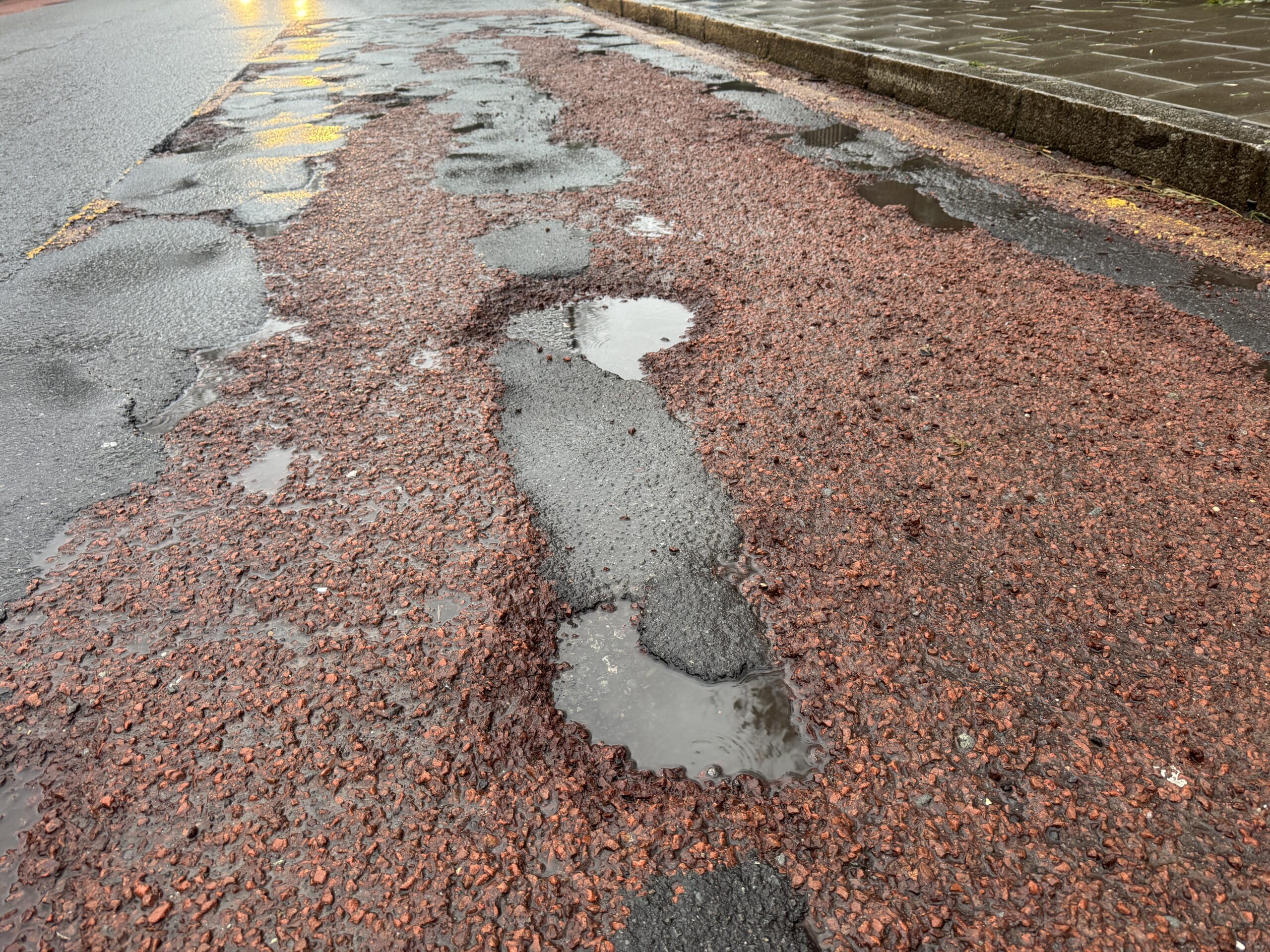
New government figures show that Lewisham is one of only 16 local highways authorities in England to get a Green rating on potholes.
The ratings range from green (highest) through amber to red (lowest). They measure how well each local highway authority is maintaining its local roads and are based on 3 areas:
the current condition of local roads
how much each local highway authority is spending on maintaining its local roads
how effectively each local highway authority follows best practice in highways maintenance – for example by using technologies to fix and prevent potholes more efficiently
The ratings are based on data from official statistics and data from the transparency reports that local highway authorities had to publish on their websites. Links to each local highway authority’s transparency report are provided in the table below.
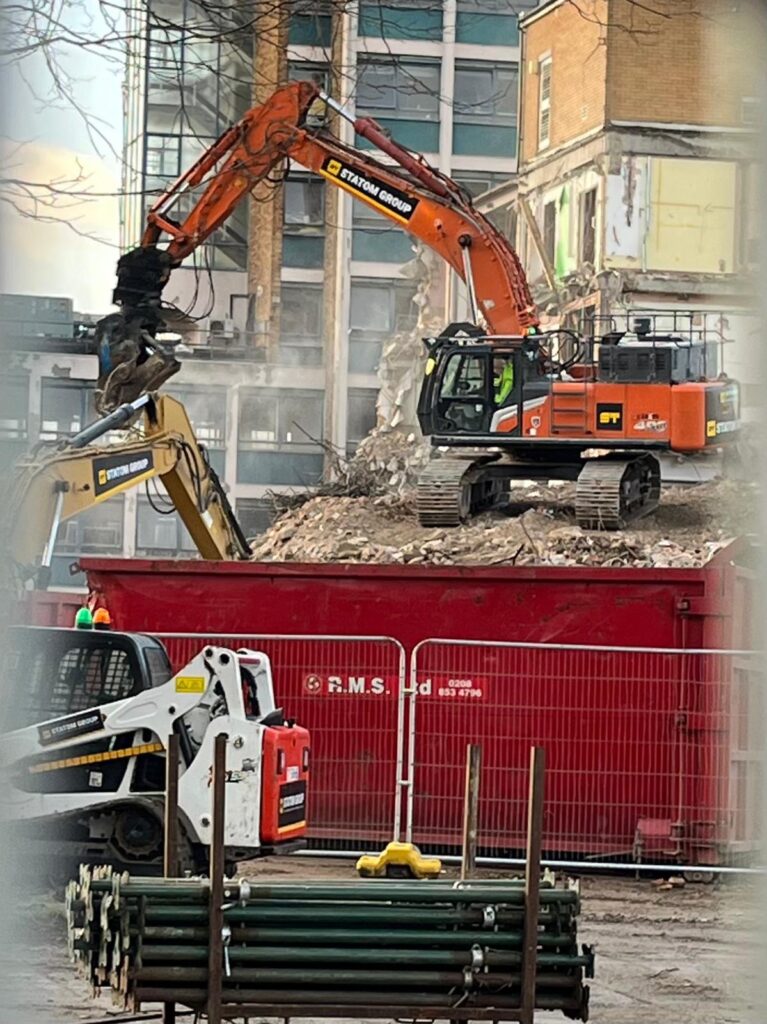
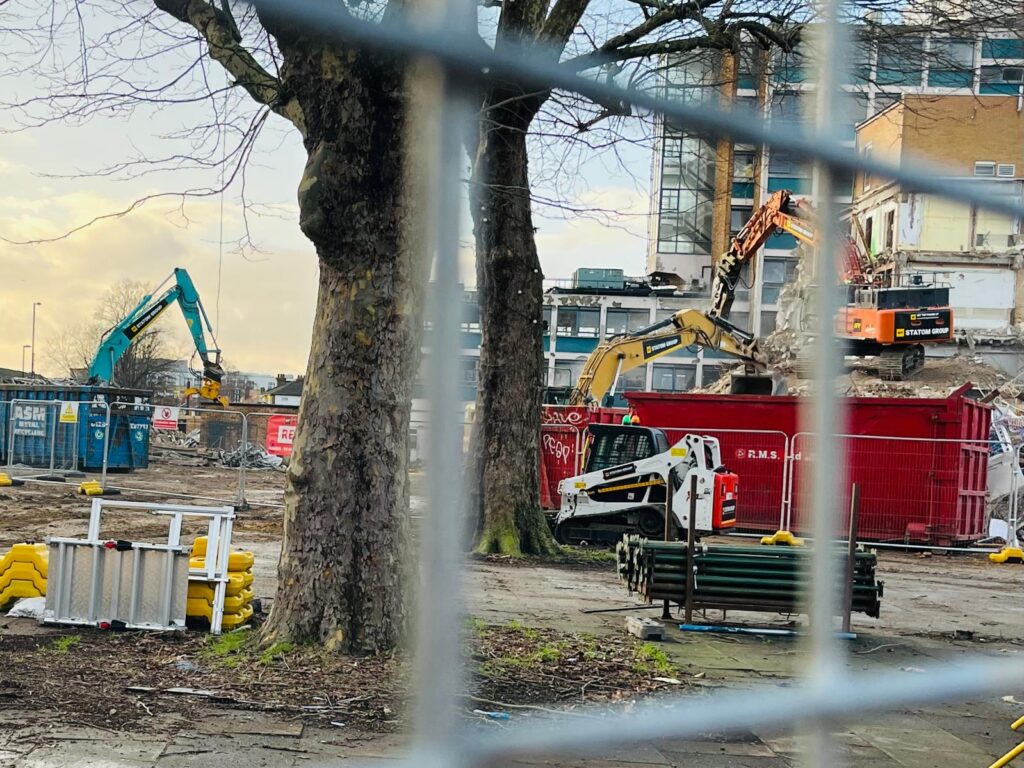
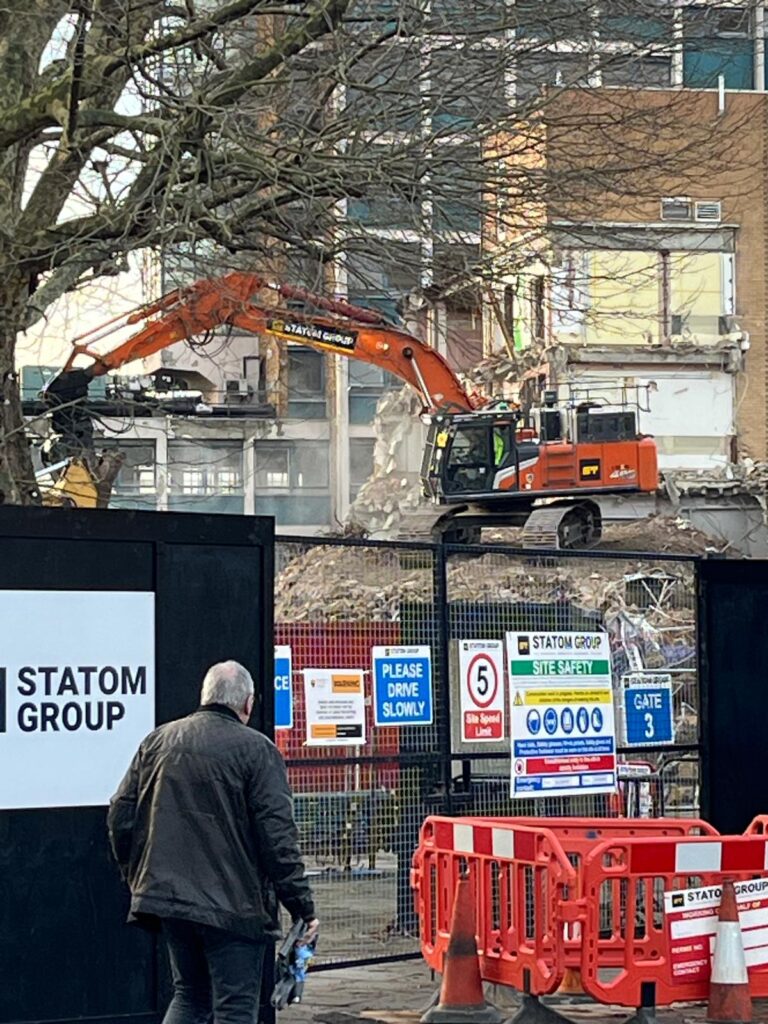
Demolition of Leegate is well underway – there are piles of rubble where once there were shops. Frances Migniuolo snapped the pictures below from Sainsbury’s car park..
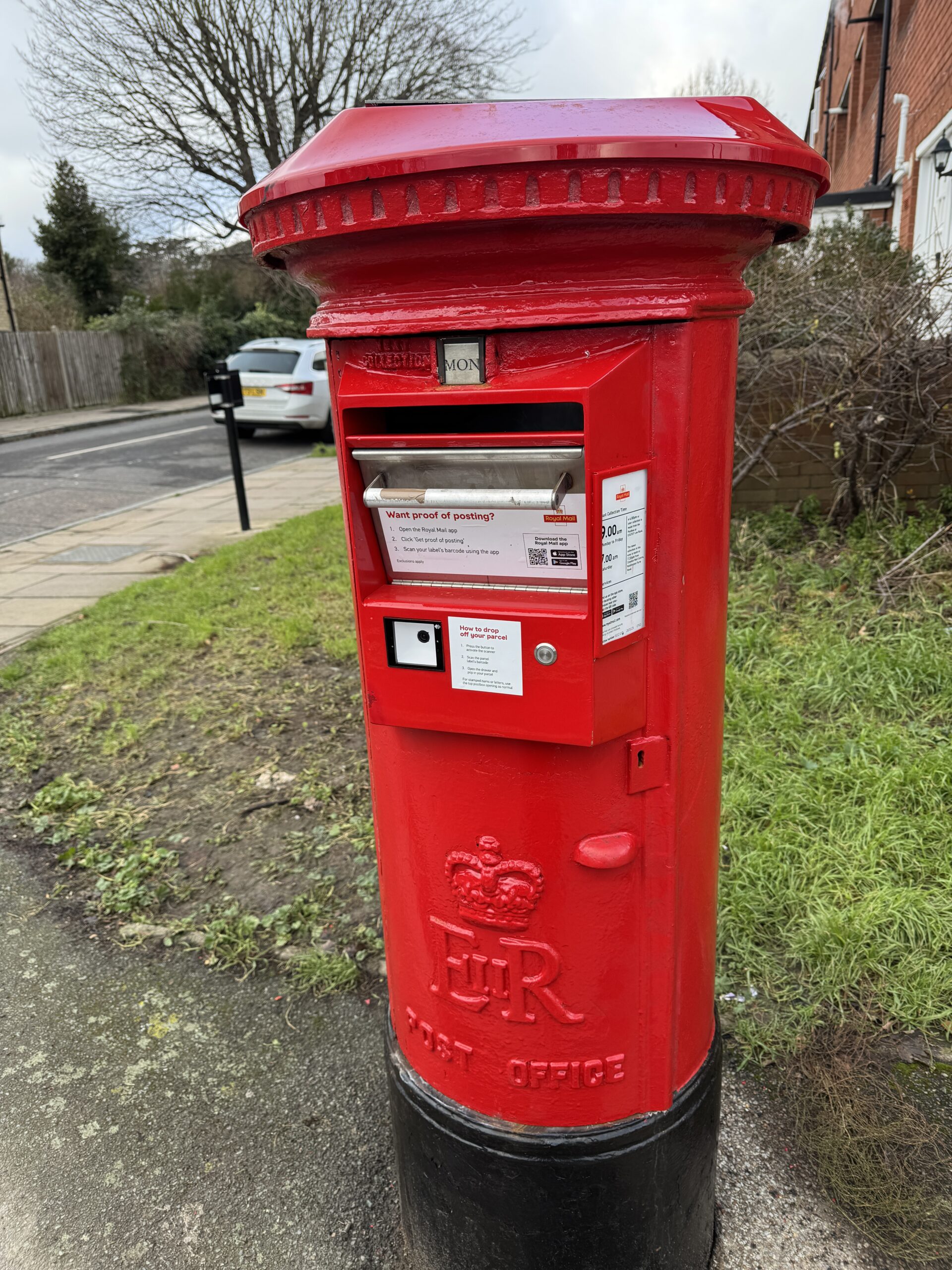
Prepare Your Parcel: At home, create and pay for your postage online (e.g., via the Royal Mail App), then print the label with the barcode and attach it to your parcel.
Scan the Barcode: Take your parcel to a smart postbox and scan the barcode on your label using the built-in scanner.
Drop the Parcel: The scanner activates a larger, drop-down drawer, allowing you to deposit parcels up to shoebox size.
Get Proof: Use the Royal Mail App to get digital proof of posting and track your parcel.
The Lee Manor Society has criticised Lewisham Council for several parts of its proposal to designate Lee Green crossroads an “Area of Special Local Character”. Although the Society welcomes the broad initiative, it has identified several failings in the document, which the Council published last year.
In its formal response to the Council,. the Society asks why the document doesn’t refer to the coming development at Leegate which it says will “dramatically affect the setting of the proposed ASLC.”
The Council’s proposal also says “sites in the immediate setting of the ASLC, including the Leegate Centre, Sainsbury’s and Stephen James car yard) should seek to enhance it by responding sensitively to the scale and grain of the historic context”’.
The Society told the Council “This is exactly what the currently approved Leegate Centre proposals have failed to do and it is a great shame that this document does not pick up on this fact and criticise Lewisham Council itself for its clear and obvious failing in this regard to the obvious detriment of this ASLC.” Sainsbury’s and the car yard could both be developed in the future, as is envisaged in the Lewisham Local Plan .
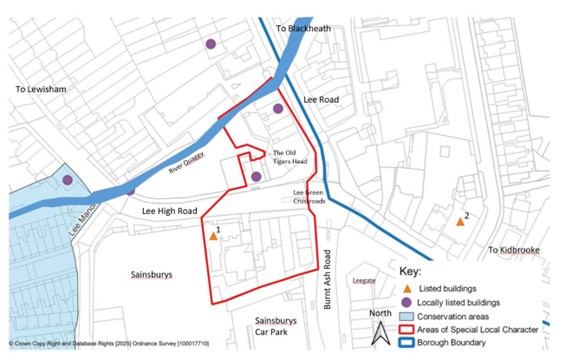
The Society’s detailed response also includes an improved map of the area (shown above) which sets it in the context of street names and landmarks. Many residents were baffled by the Council’s version.
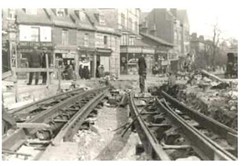
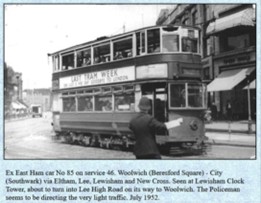
Although the document talks about the impact of the railway on Lee, it makes no mention of the introduction of electric trams in the early 1900s. A new line was laid from Lewisham to Lee Green in 1907 which meant more people could afford to live in Lee and travel to work. Trams were eventually replaced by motor buses in 1952 and nothing remains of this history.
The photographs below show tram lines being installed at Lee Green in 1907 and one of the last journeys of the tram which passed through Lee, in 1952.
The Society also points out that the document’s reference to trees on Eltham Road and Burnt Ash Road, as being ‘of great importance’ to the setting of the proposed ASLC, neglects to mention that several mature trees will be lost to the Leegate development.