Some of the buildings which would be included in the Area of Special Local Character.
Chloe Ducroizet-Boitaud, the Council’s Design & Conservation Officer told the Society its response was very detailed and helpful. Many of the suggestions made by the Society will be incorporated into the proposal which goes before the Mayor and Cabinet for approval on February 25th.
If it’s approved the Council says it should “inform planning applications within the ASLC”. This would affect any plans to develop the car yard at the end of Lee High Road and buildings backing onto it on Lee Road.
Ms Ducroizet-Boitaud adds “I also want to reiterate that getting Lee Green designated as a Conservation Area remains one of our top priorities, which we will be working on once we have finished our current programme of government-funded work on existing conservation area appraisals.” Lewisham is working with Greenwich Council on this as a joint project.
The Lee Manor Society has criticised Lewisham Council for several parts of its proposal to designate Lee Green crossroads an “Area of Special Local Character”. Although the Society welcomes the broad initiative, it has identified several failings in the document, which the Council published last year.
In its formal response to the Council,. the Society asks why the document doesn’t refer to the coming development at Leegate which it says will “dramatically affect the setting of the proposed ASLC.”
The Council’s proposal also says “sites in the immediate setting of the ASLC, including the Leegate Centre, Sainsbury’s and Stephen James car yard) should seek to enhance it by responding sensitively to the scale and grain of the historic context”’.
The Society told the Council “This is exactly what the currently approved Leegate Centre proposals have failed to do and it is a great shame that this document does not pick up on this fact and criticise Lewisham Council itself for its clear and obvious failing in this regard to the obvious detriment of this ASLC.” Sainsbury’s and the car yard could both be developed in the future, as is envisaged in the Lewisham Local Plan .
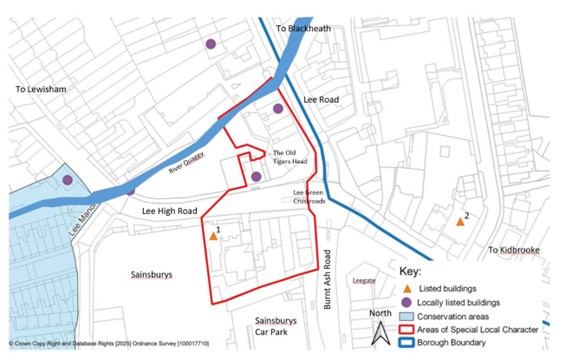
The Society’s detailed response also includes an improved map of the area (shown above) which sets it in the context of street names and landmarks. Many residents were baffled by the Council’s version.
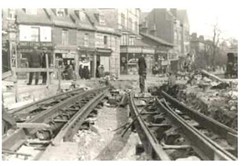
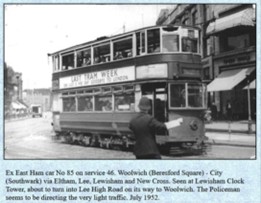
Although the document talks about the impact of the railway on Lee, it makes no mention of the introduction of electric trams in the early 1900s. A new line was laid from Lewisham to Lee Green in 1907 which meant more people could afford to live in Lee and travel to work. Trams were eventually replaced by motor buses in 1952 and nothing remains of this history.
The photographs below show tram lines being installed at Lee Green in 1907 and one of the last journeys of the tram which passed through Lee, in 1952.
The Society also points out that the document’s reference to trees on Eltham Road and Burnt Ash Road, as being ‘of great importance’ to the setting of the proposed ASLC, neglects to mention that several mature trees will be lost to the Leegate development.
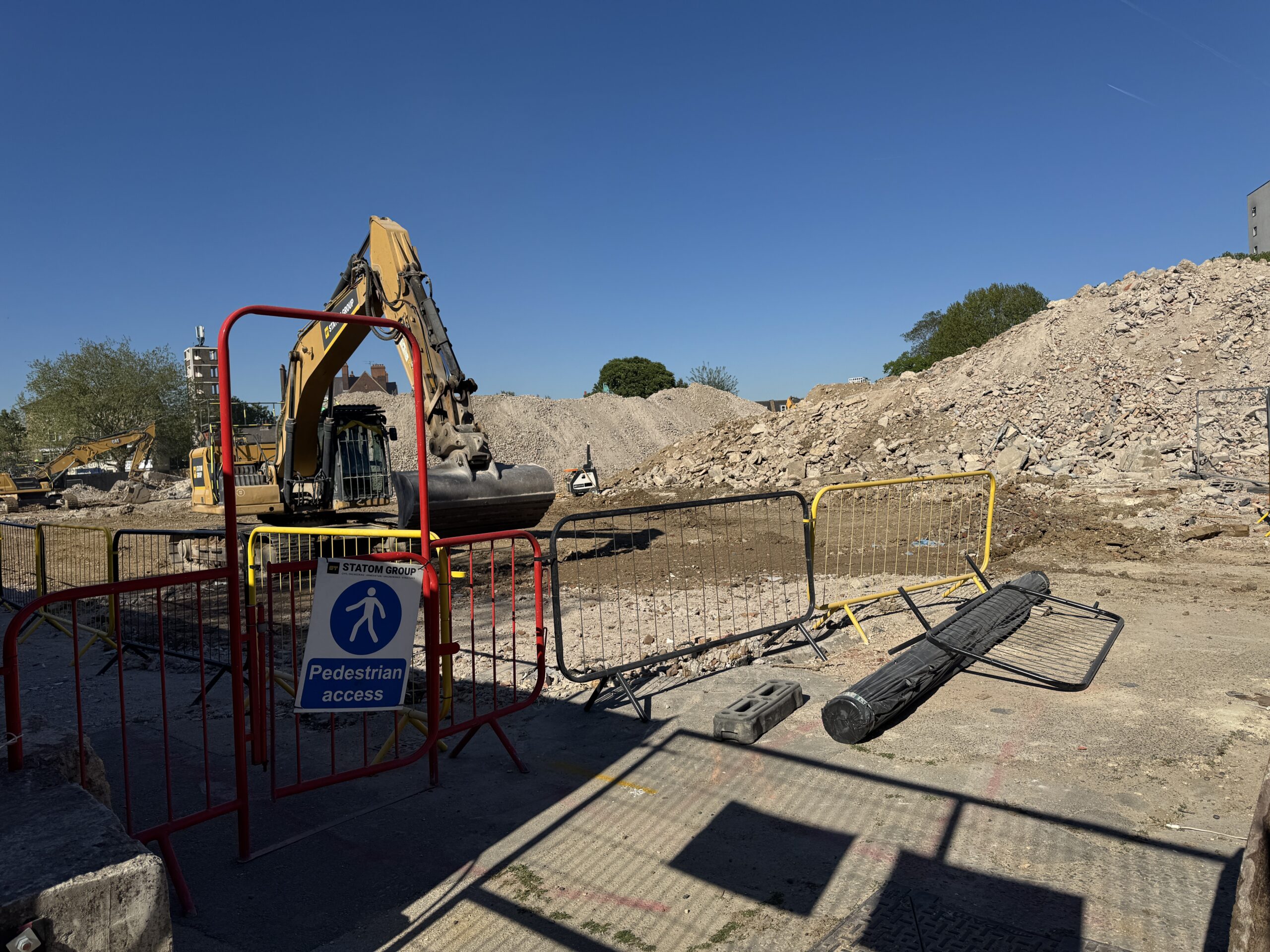
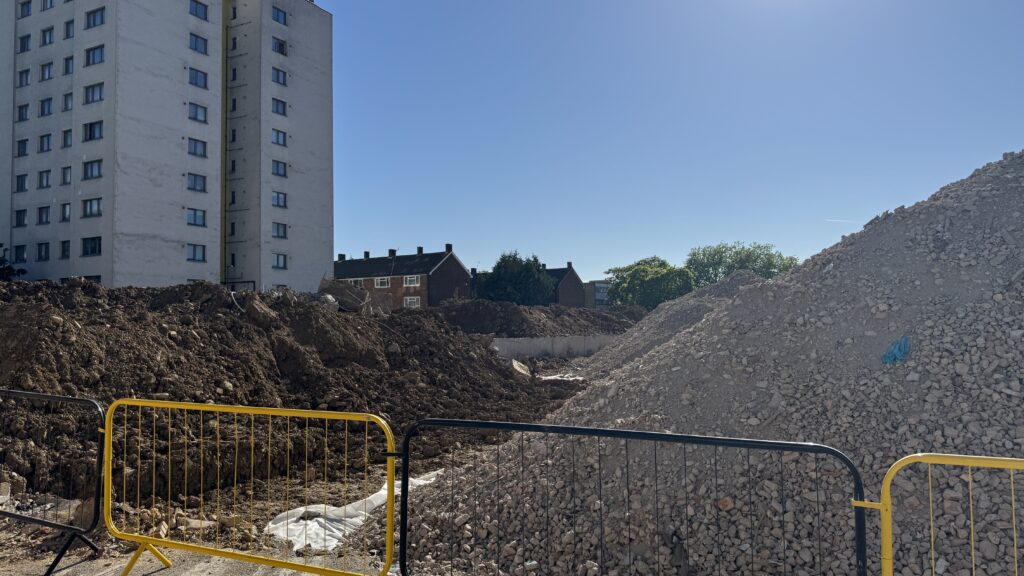
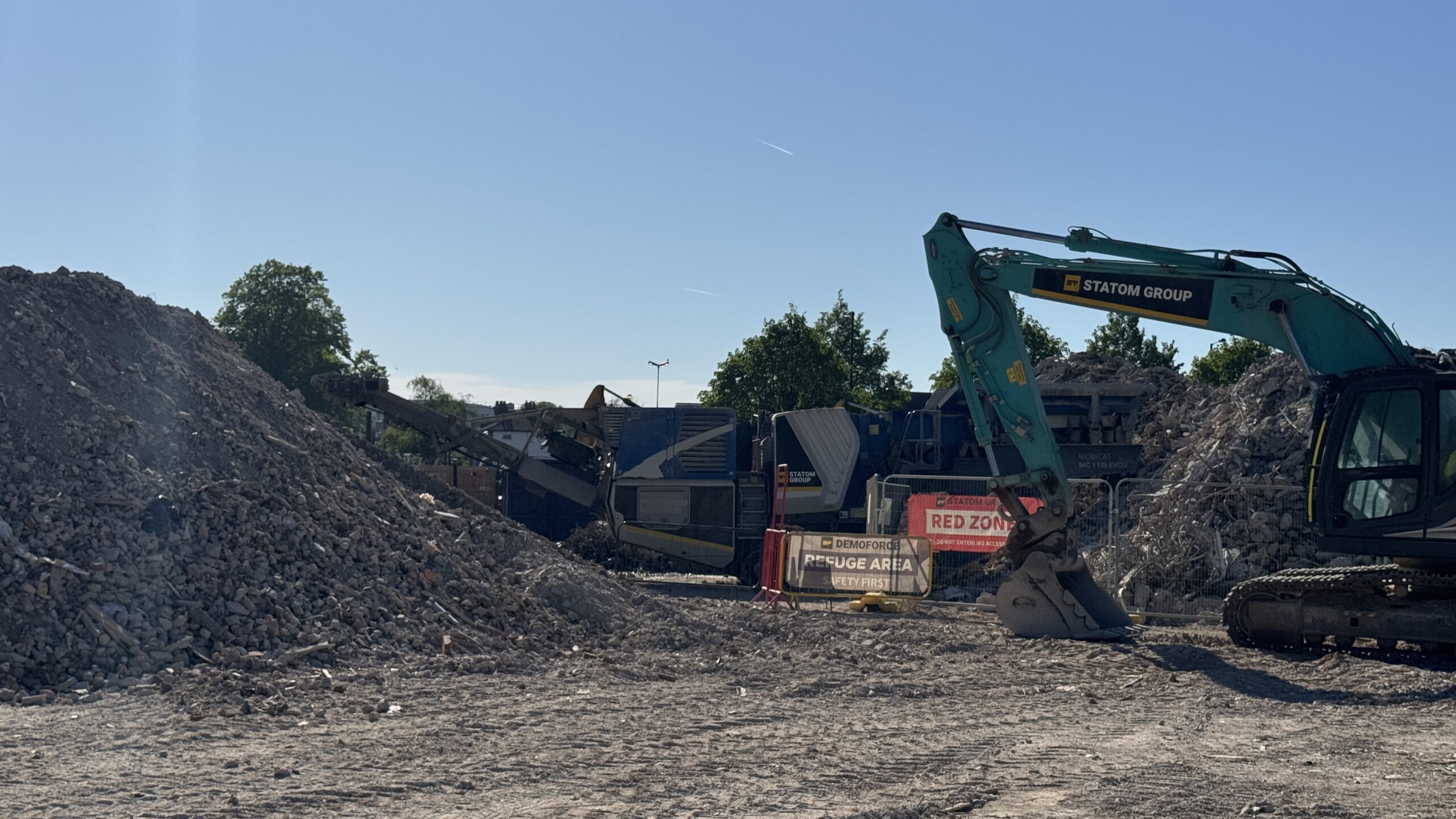
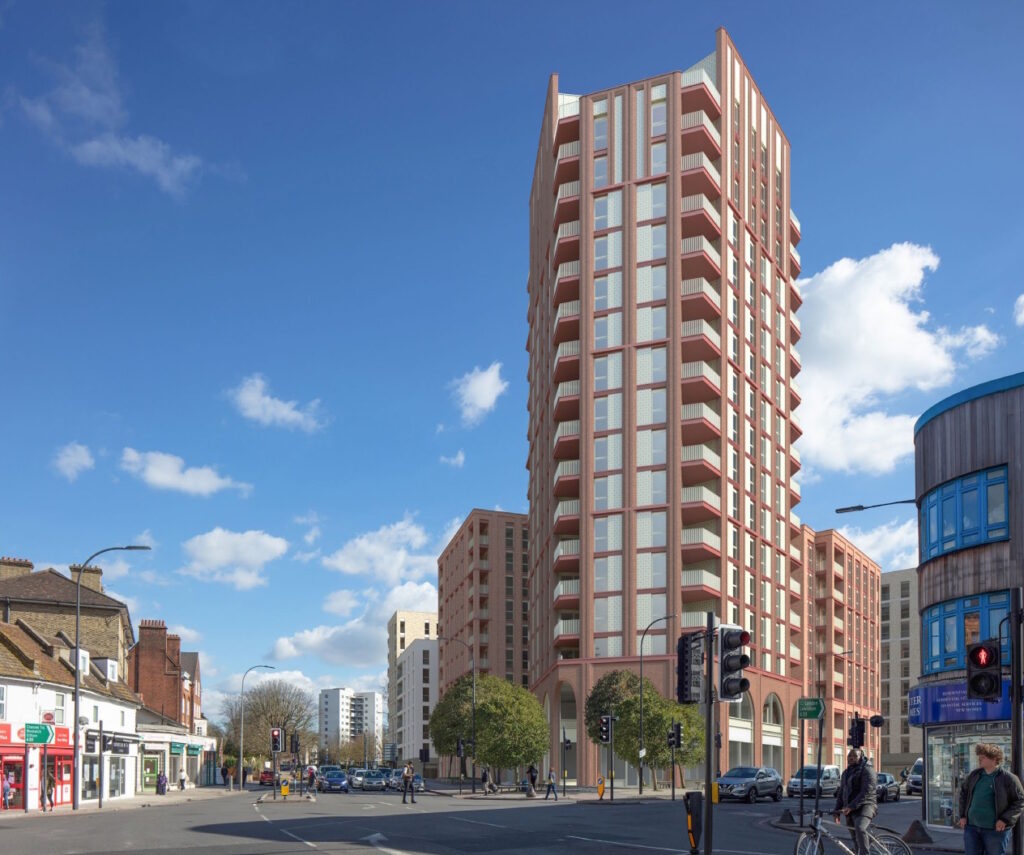
London Square has won permission from Lewisham planners for their plans for Leegate. The development of 620 homes, which includes a 17-storey tower at the Lee Green crossroads, was approved by the council’s Strategic Planning Committee.
The Committee overruled objectors, including the Lee Manor Society, Lee Forum and a Leyland Road resident Emma Warren, as well as Lee Green councillor James Rathbone. All argued that the proposed tower would be too high.
Lee Manor Society said although it welcomed the development, and the new homes it would bring, the unsightly 17-storey tower at the Lee Green crossroads would dominate and dwarf low-rise homes on its doorstep.
Cllr Rathbone highlighted London Square’s poor record of communication and consultation with Lee residents, including the firm’s sudden announcement that the development would be named Blackheath Gate, even though it is in Lee Green.
“Blackheath Gate was absolutely typical of this. It was a sudden announcement with no notification, no consultation, no input, which was subject to widespread mockery locally,” he said.
Although the naming decision is now on hold, Cllr Rathbone continued “It is just the latest example of a pattern of behaviour where they have made commitments to the local community about how they will listen, they will engage, they will talk to us, they will take our concerns into account. And then they’ve gone away and done something completely differently based upon whatever they wanted.”
Cllr Rathbone demanded the planners explain the exceptional circumstances to justify the 17-storey tower to the communities in Lee and Blackheath, as Lewisham’s Local Plan says buildings in Lee should normally be no more than 12 storeys.
He said residents were united in the belief that the block was too tall and over-dominant, and would fundamentally change the nature of where we live. The additional two storeys above the original Galliard plan, which was approved two years ago, will only add another 14 homes to the development.
An officer told the committee that although the tower doesn’t comply with the Lewisham Local Plan limit of 12 storeys, that had to be weighed against the public benefit of the scheme which included more significant provision of commercial floor space, housing and affordable housing.
Another councillor, Paul Bell, asked what additional GP provision would come with the development. Although there is a designated medical facility in the plans, an officer confirmed that the space would be leased at a commercial rent. There was no certainty it would be a GP surgery; it could house a dentist or physiotherapist.
Cllr Paul Bell told the meeting “This is a large number of housing units, which are going to have a huge impact on GP provision in the area. If a GP provider doesn’t go into that space because of cost, then it’s going to impact the community.”
Despite the concerns of councillors the committee agreed unanimously to allow the plans to go forward unaltered.
So now we know. The Leegate development will be called – Blackheath Gate.
Residents – how do you feel about the name of Lee being replaced by Blackheath, which although nearby, is a mile up the road? Post your replies below.
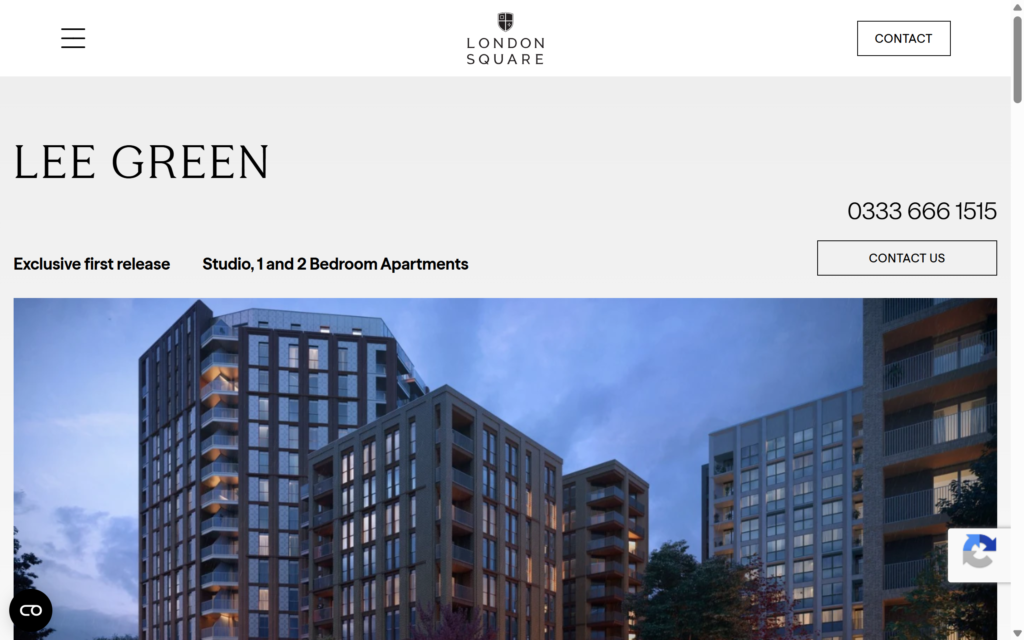
London Square’s marketing blurb makes no mention of Lee, even though the development is on Lee Green crossroads, the historic centre of the area. Meanwhile it mentions the proximity to “Blackheath Common” which as every local knows is not what it is called.
“With 562 new homes planned, the development is set within a highly sought-after area that strikes a harmonious balance between urban convenience and local charm. Residents will enjoy easy access to the independent shops, cafés, and traditional pubs of Blackheath Village, while Blackheath Common provides expansive public green space perfect for outdoor leisure and relaxation.”