

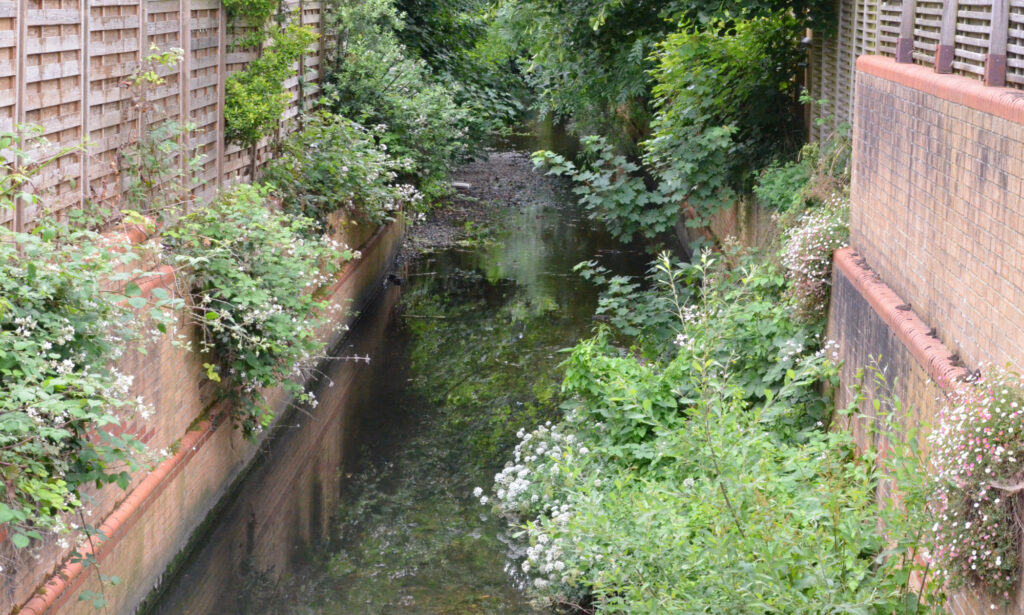
A former Lewisham Councillor Alan Hall has discovered a previously unreported warning about an increased flood risk in Lee Green.
Mr Hall unearthed the finding in the latest London regional Flood Risk Assessment published in March this year.
It suggests Lee Green has one of the most vulnerable town centres in London regarding flood exposure with 56% of its town centre situated in areas of high flood risk from all sources. This places it among the top three most affected town centres across Greater London, alongside Mill Hill (67%) and Dagenham Heathway (51%).
In a blog Mr Hall notes that Lewisham town centre and Deptford Creek and Riverside also have raised flood risks. He says “Across London overall, high flood risk areas expanded, driven primarily by surface water and tidal/fluvial risk increases.
“It is worthy of note that Bell Green and Lower Sydenham are mentioned in the second part of the assessment. The river Pool has a confluence with the river Ravensbourne that is located near Catford Bridge, this flows onto Deptford Creek where the river flows into the river Thames.”
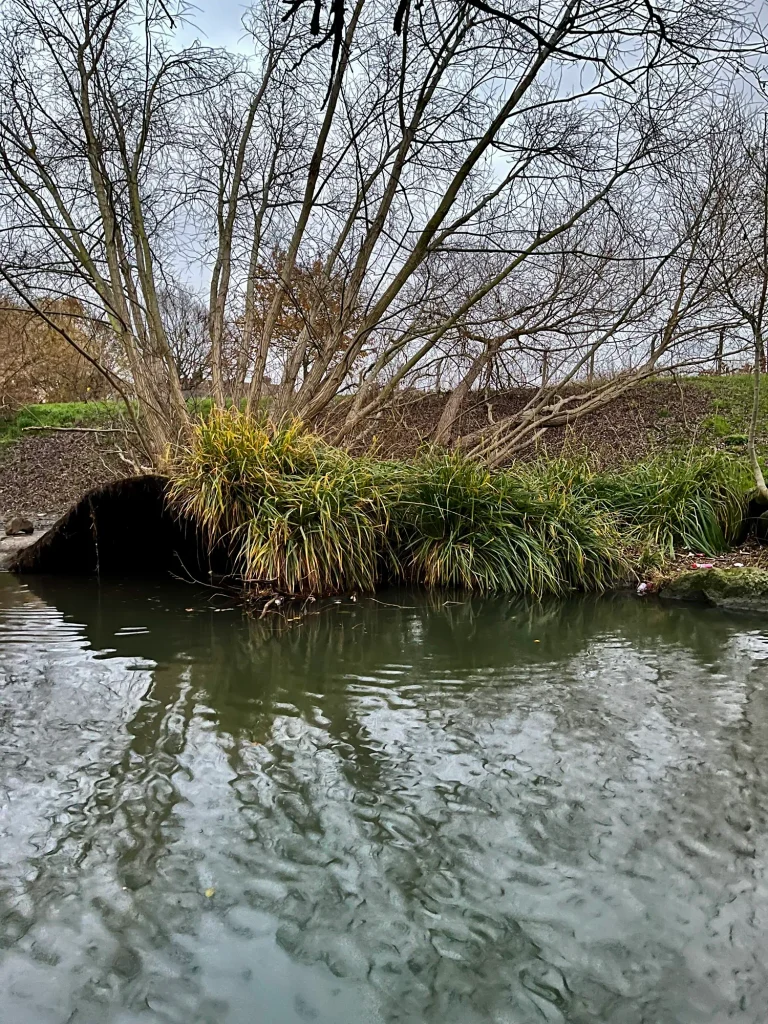
Lewisham’s Local Flood Risk Management Strategy 2022-2027 said that the Ravensbourne and in particular the Quaggy have benefited from flood alleviation measures to reduce this risk to the community from fluvial flooding. Despite that, this latest report shows that Lee Green is still at risk.
The Council’s strategy document adds “Local residents and businesses also have a role to play in managing flood risk. People and properties that live in areas of high flood risk should be prepared for flood incidents (information on flood risk that properties face can be accessed here). Landowners whose properties are next to watercourses have a responsibility to ensure the unobstructed flow of water. It is also essential that local residents and businesses report any incidents of flooding of property, open spaces or roads. This helps to build up knowledge of flooding patterns, which then improves future risk management.”